


Early data from major auto markets suggests electric vehicles (EVs) are enjoying a renewed surge, with rising global fuel prices, linked to tensions in the Middle East, pushing more consumers toward battery-powered alternatives. However, analysts caution that it remains uncertain whether this momentum can be sustained.

In the UK, EV sales hit a record high in March, with 86,120 units registered, according to the Society of Motor Manufacturers & Traders. Plug-in hybrids led the growth, recording a 47 per cent increase.
Industry experts say the spike reflects growing consumer anxiety over volatile fuel prices. Colin Walker of the Energy and Climate Intelligence Unit noted that more drivers are turning to EVs as a hedge against unpredictable global energy markets.
This trend is not limited to Europe. Across Asia and North America, similar patterns are emerging. In Thailand, models from BYD Co. and other Chinese automakers dominated bookings at a major motor show in Bangkok. In the United States, used EV sales climbed 12 per cent in the first quarter, while Tesla Inc. posted a modest year-on-year sales increase.
There are also signs of EV adoption spreading beyond affluent buyers. Industry players report a growing shift toward mainstream consumers. According to Electric Vehicles UK, EVs are no longer seen as luxury products but increasingly as practical, cost-saving options for everyday drivers.
The surge echoes earlier trends. Following the Russia’s invasion of Ukraine, electrified transport in Europe jumped 33 per cent in 2023, according to BloombergNEF. Analysts believe a similar spike could occur again if fuel prices remain elevated.
Yet, there are reasons for caution. March is traditionally the strongest month for UK car registrations, and some of the recent gains may reflect orders placed before the latest Middle East crisis escalated. EV market share also dipped slightly compared to February, suggesting uneven demand.
Industry leaders warn that prolonged geopolitical instability could weaken consumer confidence. Rising living costs, supply chain disruptions, and policy pressures, including the UK’s zero-emission vehicle targets, continue to weigh on the sector.
Africa’s Perspective: Opportunity Amid Volatility
For Africa, the global EV shift presents both an opportunity and a challenge.
Many African economies, including Nigeria, are heavily exposed to fuel price volatility due to reliance on imported refined petroleum products. Spikes in global oil prices often translate directly into higher transport and living costs. This creates a compelling case for EV adoption as a buffer against external shocks.
However, structural barriers remain significant. Limited charging infrastructure, inconsistent electricity supply, and high upfront costs continue to slow EV penetration across the continent. Despite this, pockets of innovation are emerging, from electric mobility pilots in East Africa to growing interest in electric buses and two- and three-wheelers in urban centres.
The experience of countries like Pakistan, where electric rickshaws are gaining traction, offers a model that could be adapted in African cities such as Lagos, Nairobi, and Kigali.
If supported by the right policies, such as incentives, infrastructure investment, and local assembly, Africa could leapfrog into cleaner mobility while reducing its vulnerability to global oil market disruptions.
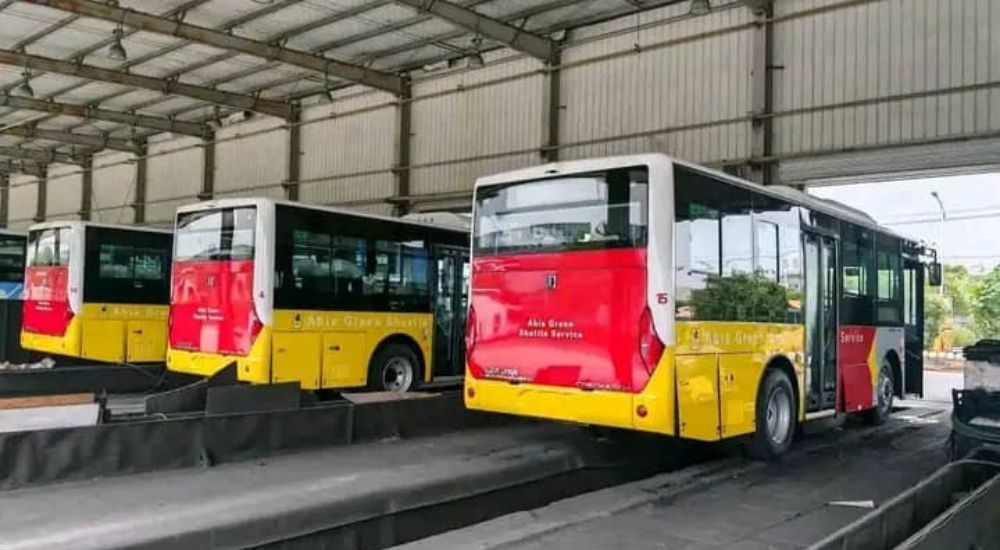
Abia State, led by Governor Alex Otti, is already showing what is possible in this space. The state has introduced electric buses to modernise transport, reduce costs, and cut pollution. By integrating charging infrastructure and exploring partnerships with private sector players, the state aims to build a resilient transport ecosystem that aligns with global climate goals.
Outlook
While rising fuel prices are clearly accelerating interest in EVs globally, the durability of this trend will depend on broader economic conditions, policy support, and infrastructure readiness.
For now, electric vehicles are benefiting from a moment shaped by geopolitics. Whether that moment becomes a lasting transformation remains to be seen.

