


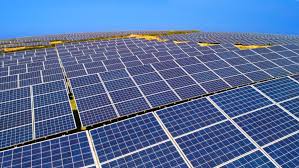
Dr Femi Oye, Chief Executive of SMEFUNDS, has urged faster adoption of solar energy across Africa, citing Nigeria’s growing role in the continent’s renewable energy sector. His comments come amid reports showing that Nigeria is rapidly transitioning from diesel generators and unreliable grid power to solar solutions.

According to John Van Zuylen, structural policy changes in multiple African countries are unlocking fresh opportunities for solar investment and deployment. While global solar installations grew by 23% in 2025, Africa recorded the fastest growth worldwide, expanding installed capacity by 17%. Twenty African nations also recorded record solar imports last year, with 25 importing at least 100 megawatts of solar capacity.
Nigeria has emerged as a key driver of this growth, overtaking Egypt as Africa’s second-largest importer of solar equipment. Solar systems paired with battery storage are increasingly replacing diesel generators in homes and businesses, providing reliable, cost-effective power. Falling technology costs are accelerating the trend: battery storage prices dropped to $112 per kilowatt-hour in 2025 from $144 in 2023.
Oye highlighted that the declining cost of solar marks a turning point for African economies, particularly for Nigeria’s manufacturing and SME sectors. “Solar energy is no longer a niche solution. It is becoming the most practical and affordable power option for many African businesses,” he said. He also noted that the removal of diesel subsidies over the past two years has accelerated the shift toward renewable power.
Nigeria is also developing domestic solar manufacturing capacity, including a planned one-gigawatt solar panel facility, the largest in West Africa, while countries such as Egypt, South Africa, and Ethiopia pursue similar initiatives. Oye said local manufacturing could reduce dependence on imports while creating jobs across installation, maintenance, financing, and distribution.
“Expanding solar energy is fostering a vibrant ecosystem of SMEs supporting deployment across the continent,” he said. Oye emphasized that renewable energy adoption is crucial for Nigeria to meet sustainability goals, reduce carbon emissions, and enhance competitiveness in manufacturing.
Citing Germany as a model, he added: “German manufacturers have integrated solar, wind, and biomass energy, optimising energy consumption and reducing emissions. Nigeria can achieve similar results with consistent policy, strong financing, and local manufacturing capacity.”
Beyond energy, Oye highlighted SMEFUNDS’ AI platform, Kike AI, which helps Nigerians plan meals efficiently and reduce food waste. The tool allows users to share their food budget and available ingredients via WhatsApp and receive instant, tailored meal plans, promoting healthier, cost-effective household management.
Oye concluded: “The opportunity for Nigeria and Africa is enormous. With the right policies, investment, and innovation, solar energy could become the backbone of a new industrial revolution across the continent.”

