


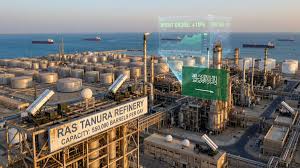
Saudi Aramco has resumed operations at its flagship Ras Tanura refinery, helping to ease oil supply concerns across the Middle East following weeks of disruption triggered by regional tensions.

The refinery, Saudi Arabia’s largest, with a capacity of about 550,000 barrels per day, was temporarily shut down on March 2 as a precaution after a nearby drone incident, according to reports cited by Bloomberg.
Saudi authorities had earlier confirmed that operations were halted after two drones were intercepted near the facility amid heightened geopolitical tensions in the Gulf.
The shutdown came during a period of escalating conflict involving Iran, the United States, and Israel, with energy infrastructure, including refineries, oil terminals, and vessels, targeted in the region.
The situation significantly disrupted global oil flows, particularly through the Strait of Hormuz, a critical maritime route through which roughly 20 per cent of the world’s petroleum shipments typically pass.
During the disruption, tanker traffic through the strait was severely restricted, with limited movement largely confined to Iranian shipments bound for China.
The supply squeeze forced several Asian refiners to cut processing rates as they struggled to secure alternative crude supplies.
Sinopec, China’s largest refiner, reportedly reduced its processing rates by about 10 per cent, while also imposing restrictions on fuel exports.
In Japan, refinery utilisation dropped sharply to 69.1 per cent, down from 77 per cent the previous week. Gasoline inventories also fell by nearly 10 per cent, reflecting tightening supply conditions.
Japanese refiner Idemitsu Kosan also confirmed a reduction in refined product sales, although it did not disclose the scale of the cuts.
The restart of the Ras Tanura refinery is expected to help stabilise supply flows and ease pressure on global oil markets, particularly in Asia, where refiners have faced the brunt of the disruption.
While uncertainties remain over the broader geopolitical situation, the resumption of operations at one of the world’s most important refining hubs signals a potential easing of immediate supply concerns.
