
Nigeria is ramping up one of the most ambitious electricity access programmes globally, with plans to connect over 17.5 million citizens nationwide, Abba Abubakar Aliyu, Managing Director of the Rural Electrification Agency (REA), has said.
Speaking at the Nigeria International Energy Summit (NIES) during a panel on “Reliable, Sustainable & Inclusive Power for Africa’s Future,” Aliyu said Nigeria’s electrification push has moved decisively from policy design to large-scale implementation, positioning the country among global leaders in energy access expansion.
According to him, the REA is currently driving the development of over 1,000 mini-grid projects across the country, making Nigeria’s programme comparable in ambition and scale to major international efforts, including India’s.
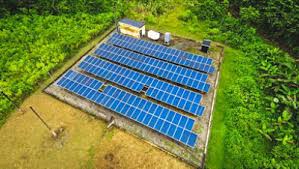
Aliyu explained that the strategy combines isolated mini-grids for completely unserved communities with interconnected mini-grids for underserved areas, supported by battery storage to improve reliability and provide backup during grid disruptions. Beyond powering homes, the mini-grids are increasingly deployed as resilience infrastructure, supporting economic clusters, social services, and critical facilities.
He added that the agency’s interventions are also transforming public institutions. Flagship projects include an 8-megawatt floating solar plant at the University of Lagos, alongside hybrid power systems at the University of Port Harcourt, University of Maiduguri, Obafemi Awolowo University, and Ahmadu Bello University, among others.
“These deployments are not just about access,” Aliyu noted. “They are about productivity, supporting education, healthcare delivery, and long-term institutional sustainability.”
The REA MD said the scale and urgency of Nigeria’s electricity access drive underscore the Federal Government’s commitment to closing energy gaps, strengthening national energy resilience, and laying the foundation for inclusive economic growth.