


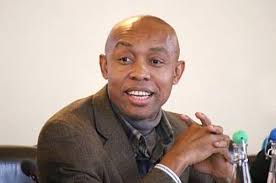

Professor Chidi Odinkalu, human rights lawyer and former Chairman of the National Human Rights Commission, has delivered a scathing critique of Nigeria’s governance structure, warning that excessive foreign influence and weakened domestic accountability are eroding the country’s sovereignty.
In a satirical post shared on his official X (formerly Twitter) handle, Odinkalu used irony to question who truly controls critical sectors of national life.
“In Nigeria: America is in charge of security. France is in charge of taxes. UAE is in charge of healthcare. Screwdriver guy in Onitsha oversees intelligence. officialABAT is in charge of defections to OfficialAPCNg,” he wrote.
The post, while humorous in tone, conveyed deep concern about what Odinkalu described as the growing externalisation of governance and institutional responsibility. He suggested that Nigeria’s security architecture is increasingly shaped by the United States, while France wields significant influence over tax-related matters. He also implied that healthcare policy priorities appear aligned with the United Arab Emirates, reflecting broader reliance on foreign systems.
Although Odinkalu did not present the claims as formal allegations or verified facts, the remarks were framed as a critique of policy direction and governance choices under the current administration.
He also took a swipe at Nigeria’s intelligence apparatus, sarcastically referencing controversial reports involving an Onitsha-based individual allegedly linked to intelligence lapses preceding recent bombings in parts of Sokoto State.
Beyond institutional concerns, Odinkalu accused President Bola Ahmed Tinubu of presiding over and encouraging a wave of political defections into the ruling All Progressives Congress (APC). He argued that the trend weakens opposition parties, distorts democratic competition and concentrates power within the ruling party.
The former rights commission chairman concluded by alluding to the 2027 general elections, warning that the current political trajectory could have far-reaching implications for Nigeria’s democracy.

