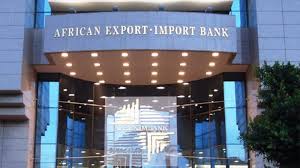
The African Export-Import Bank (Afreximbank) has formally terminated its credit rating relationship with Fitch Ratings, escalating a long-running disagreement over the agency’s assessment of the bank’s creditworthiness.

In a statement issued on Friday, Afreximbank said Fitch’s evaluation framework no longer reflects a proper understanding of the bank’s Establishment Agreement, mission, and mandate. The Pan-African lender maintained that its unique legal structure and treaty-backed protections have been mischaracterised under Fitch’s current rating model.
The decision follows Fitch’s June 2025 downgrade of Afreximbank’s long-term rating from BBB to BBB-, with a negative outlook. Fitch had cited rising exposure to sovereign borrowers undergoing or at risk of debt restructuring, including Ghana, Zambia, and South Sudan, as well as concerns over asset quality, transparency, and the application of IFRS 9 standards.
Afreximbank strongly disputed the downgrade, rejecting claims that it participates in sovereign debt restructurings and insisting its loan classifications and non-performing loan figures are IFRS-compliant and externally audited. While Fitch estimated the bank’s NPL ratio at 7.1 per cent, Afreximbank put the figure at 2.3 per cent.
Sources familiar with the matter said the downgrade increased Afreximbank’s borrowing costs in international markets, complicating access to affordable capital.
Fitch had not commented on the termination at the time of publication.
The move is unusual in global credit markets, as issuer-led terminations of major rating relationships, especially following a downgrade, are rare and typically handled quietly. In this case, the dispute has played out publicly, drawing attention to broader tensions between African multilateral lenders and global rating agencies.
Despite severing ties with Fitch, the bank’s bonds will likely continue to be priced with reference to the agency’s last assessment. Greater weight is now expected to fall on ratings from Moody’s and S&P, increasing scrutiny of Afreximbank’s sovereign exposure and reporting standards.
The episode also comes amid growing African pushback against what officials describe as externally biased rating models. Backed by the African Union, the African Credit Rating Agency (AfCRA) is expected to begin issuing ratings by late 2025 or early 2026, offering a homegrown alternative to global agencies.
Afreximbank insists it remains financially sound and strategically critical to Africa’s trade and development agenda, but analysts note that the fallout may narrow its room for error in international credit markets.