


African startups raised a combined $3.2 billion in venture funding in 2025, marking a strong rebound after two years of decline, with energy and fintech firms accounting for the bulk of investments.

Data from Africa: The Big Deal shows that the 2025 total represents a 40 per cent year-on-year increase, reversing funding drops of 35 per cent in 2023 and 25 per cent in 2024, and signalling renewed investor confidence despite a cautious global venture climate.
The rebound was driven largely by a surge in large-ticket deals. Funding rounds exceeding $10 million increased by 73 per cent to 69 deals in 2025, up from 40 the previous year. This was the second-highest annual total since tracking began in 2019, behind only the 2022 peak.
Eight startups raised more than $100 million during the year, up from five in 2024, pointing to growing capital concentration in later-stage, high-growth companies.
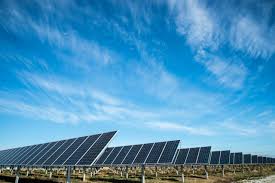
Energy startups accounted for roughly half of the largest deals, as investors backed solutions addressing Africa’s power deficit. Companies such as d.light, Sun King, M-Kopa, and electric mobility firm Spiro attracted major funding.
Fintech remained another dominant sector, with firms including Wave, Egypt’s MNT-Halan, and Nigeria’s Moniepoint securing nine-figure investments amid continued growth in digital payments, lending and financial inclusion.
While the number of startups raising at least $100,000 stayed flat at around 500, larger deals increased. Funding rounds of $1 million or more rose 11 per cent to 215, reflecting investor preference for proven business models and clearer paths to profitability.
Investor participation was steady, with 554 active backers involved in deals of $100,000 or more, similar to 2024 levels. Digital Africa emerged as the most active non-grant investor, participating in at least 23 transactions.
The 2025 rebound lifts cumulative African startup funding to nearly $20 billion since 2019, excluding exits. Analysts say the trend points to a maturing ecosystem, with capital increasingly flowing to scalable ventures tackling structural challenges such as energy access and financial inclusion.

