
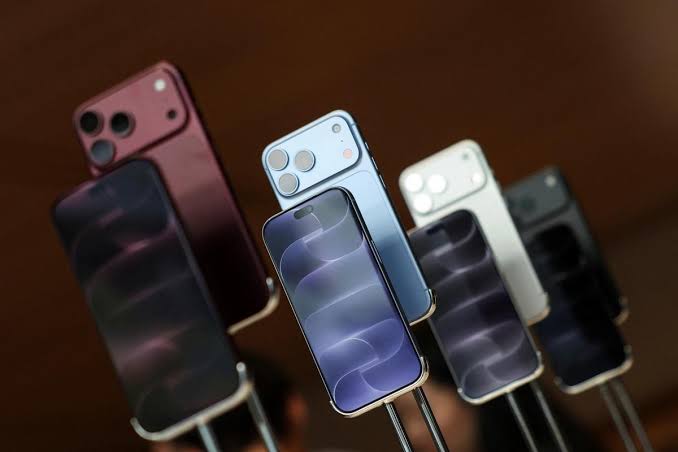
Global smartphone shipments fell by 20 per cent in the third quarter of 2026, reaching their lowest level since 2012, as soaring memory chip prices and supply shortages disrupted production and pushed retail prices higher.

According to estimates from Counterpoint Research’s Market Monitor service, the decline was largely in line with the research firm’s expectations, following persistent increases in the prices of dynamic random-access memory (DRAM) and NAND flash components. The rising cost of memory chips significantly increased manufacturers’ bill of materials (BOM), adding pressure to production costs and worsening supply constraints for original equipment manufacturers (OEMs).
In response, smartphone manufacturers passed much of the additional cost on to consumers. Global smartphone retail prices have consequently risen by about 20 per cent so far in 2026, pushing up average selling prices across the market. Despite the market downturn, leading manufacturers, including Xiaomi, Samsung and Apple, continue to compete for leadership in the global smartphone industry.
The sharp increase in component costs is changing the economics of the smartphone market, with manufacturers facing the difficult choice of absorbing higher production expenses or transferring them to consumers. The resulting price increases could make consumers more cautious about replacing their devices, particularly as households contend with pressure on disposable incomes.
For buyers, the decision to upgrade is increasingly about finding a device that offers the right combination of battery life, performance, camera quality and affordability, rather than simply choosing the most expensive model.
The latest smartphone offerings reflect the different strategies manufacturers are adopting to attract buyers.
Samsung’s Galaxy S26 Ultra targets professionals, photographers and productivity-focused users with its advanced cameras, performance capabilities and integrated S Pen stylus. However, its average battery performance and other limitations may make it less attractive to users whose priority is endurance.
Apple’s iPhone 17 offers a premium everyday smartphone experience without requiring consumers to pay for a Pro model. Its performance, display, battery life and camera capabilities make it a strong option for mainstream users, although the absence of a dedicated telephoto camera may limit its appeal to photography enthusiasts.
Xiaomi is competing across different price and performance categories. Its REDMI Note 17 Pro Max 5G emphasises battery endurance, with a 10,000mAh battery and 100W fast charging, while the Xiaomi 17T Series combines Leica-branded cameras with a 5x optical telephoto lens.
Other devices target more specific consumer needs. The REDMI 15C focuses on affordability and battery capacity, while Samsung’s Galaxy Z Fold 8 offers a larger, foldable screen for users who want a more flexible mobile workspace.
The POCO X8 Pro Max targets gaming and performance enthusiasts, while Samsung’s Galaxy A17 5G offers a more accessible entry point into the brand’s 5G smartphone range.
At the premium end, Apple’s iPhone 18 Pro Max targets users seeking advanced camera features, processing power and longer battery life. Samsung’s Galaxy S25 FE also competes in the mid-range segment with its camera capabilities and long-term software support.
The 20 per cent decline in global shipments highlights the pressure facing smartphone manufacturers as higher component costs feed into retail prices. With consumers paying more for devices, manufacturers may need to place greater emphasis on product durability, battery performance, software support and practical features to justify higher prices.
For the industry, the challenge is not simply to sell more expensive smartphones but to persuade consumers that upgrading remains worthwhile despite rising costs. The competition among Xiaomi, Samsung and Apple is therefore increasingly about delivering value across different consumer segments, rather than relying solely on premium specifications.
For Nigerian consumers, where purchasing power and exchange-rate movements also influence imported electronics prices, the global increase in smartphone costs could add another layer of pressure on affordability.