Building a better world through responsible choices, innovation and collective action

A sustainable future does not happen by accident. It requires deliberate choices by individuals, businesses, governments and communities to protect the planet, grow economies and improve the quality of life for present and future generations.
Sustainability is no longer simply about planting trees, recycling waste or reducing carbon emissions. It encompasses how we produce and consume, how we treat people, how we manage resources, how businesses operate and how we prepare the next generation for an evolving world.
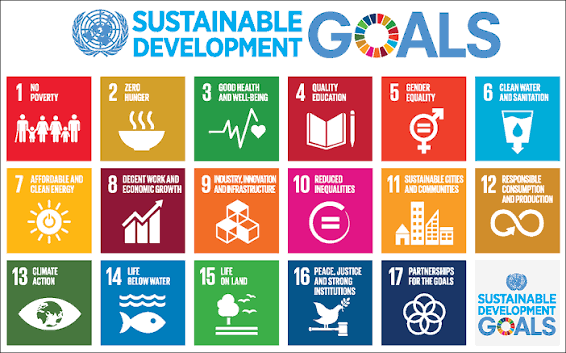
The United Nations Sustainable Development Goals (SDGs) provide a useful roadmap, highlighting priorities such as quality education, responsible consumption and production, climate action, decent work and reduced inequalities.
For businesses, sustainability is also increasingly a strategic imperative. It can reduce operating costs, strengthen brand reputation, attract investment, improve competitiveness and unlock new market opportunities.
So, what should we begin doing today to prepare for a more sustainable tomorrow?
Here are 10 things to prioritise.
1. Make Sustainability a Way of Life
Sustainability must move beyond corporate statements, conference discussions and environmental campaigns. It should become part of everyday decision-making.
Individuals can begin by reducing waste, conserving water and electricity, avoiding unnecessary plastic and making responsible purchasing decisions. Businesses should integrate sustainability into their policies, operations, procurement and corporate culture.
The goal is to make responsible behaviour a habit rather than an occasional activity.
2. Invest in Quality Education and Green Skills
Education is one of the most powerful tools for building a sustainable future. As economies transition towards cleaner energy, circular production and technology-driven solutions, workers will need new skills to remain relevant.
Governments, businesses and educational institutions must invest in climate literacy, renewable energy technology, sustainable agriculture, waste management and environmental innovation.
Equally important is preparing young people for emerging green jobs and entrepreneurial opportunities. A sustainable future requires an educated population equipped to solve tomorrow’s problems.
3. Embrace Responsible Consumption and Production
The way we produce and consume goods has significant implications for the environment. Businesses must rethink product design, sourcing, packaging, distribution and waste management. Consumers, on their part, should become more conscious of what they buy, how much they consume and what happens to products after use.
Repairing, reusing, recycling and reducing waste should become standard practices. The circular economy offers an important pathway by keeping materials and products in use for longer rather than treating them as disposable.
4. Take Climate Action Seriously
Climate change is no longer a distant environmental concern. Its effects are increasingly evident in extreme weather events, flooding, drought, food insecurity and pressure on livelihoods. Preparing for a sustainable future requires reducing greenhouse gas emissions while strengthening our ability to adapt to climate-related risks.
Businesses should assess their carbon footprints, improve energy efficiency and explore renewable energy options. Governments must strengthen climate policies, protect natural ecosystems and invest in climate-resilient infrastructure.
For Africa, climate action must also recognise the continent’s development needs and the importance of a just transition that does not leave vulnerable communities behind.
5. Promote Innovation and Sustainable Entrepreneurship
Many of tomorrow’s solutions will come from today’s entrepreneurs, innovators and problem-solvers. There are significant opportunities in renewable energy, clean cooking, sustainable agriculture, recycling, water management, green construction and environmentally friendly consumer products.
Entrepreneurs should be encouraged to develop businesses that address real societal and environmental challenges while remaining commercially viable. Investors, financial institutions and governments also have a responsibility to provide funding, incentives and supportive policies for green enterprises.
Sustainability should not be viewed merely as a cost. It is an opportunity to create new industries, jobs and sources of economic growth.
6. Build Inclusive and Responsible Leadership
A sustainable future cannot be achieved if economic progress benefits only a privileged few. Businesses and institutions must embrace diversity, equal opportunities, fair wages and inclusive decision-making.
Leadership should reflect the diversity of the communities it serves and recognise that different perspectives often produce better solutions. Governments and corporate organisations must also strengthen accountability, ethical conduct and transparency.
Ultimately, sustainable development is about improving lives, reducing inequalities and ensuring that the benefits of economic growth are widely shared.
7. Restore Trust Through Accountability and Transparency
Trust is an important currency in building a sustainable society. Consumers, employees, investors and communities increasingly expect organisations to demonstrate that their sustainability commitments translate into measurable action.
Businesses must move beyond impressive environmental claims and publish credible information about their environmental, social and governance (ESG) performance. This also means avoiding greenwashing, setting realistic targets and reporting progress honestly.
Organisations that demonstrate accountability are better positioned to build lasting relationships with stakeholders and maintain their social licence to operate.
8. Build Partnerships and Collaborate
Sustainability challenges are too complex for any single organisation, government or individual to solve alone. Addressing climate change, poverty, food insecurity, waste management and energy access requires collaboration across sectors.
Businesses should work with governments, development institutions, civil society organisations, universities and communities to develop practical solutions. Even competitors can collaborate on issues such as recycling infrastructure, industry standards and emissions reduction.
The guiding principle should be simple: sustainability is a shared responsibility, and partnerships can amplify impact.
9. Develop a Long-Term Vision and Set Measurable Targets
Sustainability should not be driven by short-term publicity or the latest corporate trend. Individuals, businesses and governments need clear, long-term objectives supported by realistic action plans.
Organisations should identify their most significant environmental and social impacts, establish measurable targets and regularly evaluate performance. These targets could include reducing energy consumption, cutting emissions, improving water efficiency, eliminating unnecessary packaging, increasing workforce diversity or expanding community investments.
What gets measured is more likely to receive attention, resources and sustained commitment.
10. Start Small, Stay Consistent and Keep Improving
Preparing for a sustainable future does not necessarily require massive investments or sweeping reforms at the beginning. Individuals can start by switching off unused electrical appliances, conserving water, reducing food waste and using reusable shopping bags.
Offices can maximise natural lighting, minimise paper consumption, introduce recycling systems and reduce unnecessary energy use. Businesses can begin by conducting sustainability assessments, engaging employees and identifying areas where small operational changes can produce significant results.
The important thing is consistency. Sustainability is a continuous journey of learning, adapting and improving. Every meaningful action, no matter how small, contributes to a larger outcome.
The Future We Want Starts With the Choices We Make Today
Preparing for a sustainable future requires a fundamental shift in how we think about progress. Economic growth must go hand in hand with environmental protection, social inclusion and responsible resource management. Businesses must recognise that profitability and sustainability are not necessarily opposing objectives. Governments must create policies that encourage responsible development, while individuals must understand their role in shaping the world around them.
The private sector, with its capacity for innovation, investment, production and distribution, has a particularly important role to play.
But the responsibility does not rest with businesses alone. It requires a collective commitment to rethink how we live, work, consume and interact with our environment. The question is no longer whether we can afford to embrace sustainability. It is whether we can afford not to.
A sustainable future is not something we wait for. It is something we prepare for, invest in and build through the choices we make today. The future of Africa, and indeed the world, depends on what we do with the opportunities and resources available to us today.