


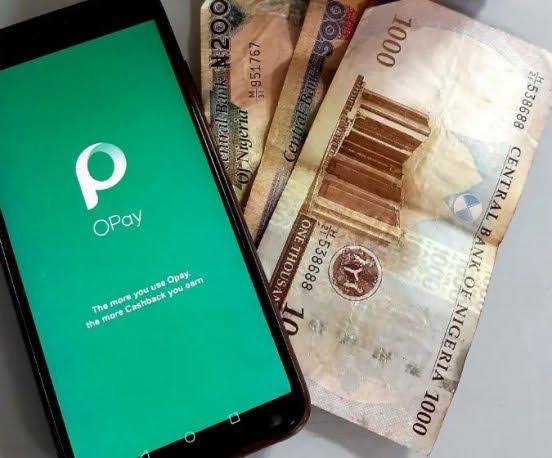
OPay has emerged as the most widely installed financial application on Nigerian smartphones, highlighting the growing competition between fintech platforms and traditional banks for consumers’ digital attention.

A new study by KPMG and Orange Group Nigeria found that OPay was installed on 69 per cent of smartphones surveyed, giving it the highest presence among the financial applications covered.
The study examined financial applications installed on smartphones used by respondents across 12 major Nigerian cities, providing a snapshot of how consumers are accessing financial services through mobile devices.
OPay’s smartphone presence was more than four times that of Access Bank, which led the traditional banks surveyed with an installation rate of 16 per cent.
PalmPay ranked second among the financial applications surveyed, with a 29 per cent smartphone presence, also placing it ahead of every individual traditional bank app included in the study.
Moniepoint was installed on 14 per cent of smartphones, while Kuda and PayPal recorded 8 per cent and 7 per cent, respectively.
Among traditional banks, Access Bank led with 16 per cent, followed by UBA and GTBank at 11 per cent each.
FirstBank recorded 10 per cent, while Zenith Bank was present on 9 per cent of smartphones surveyed.
The figures do not necessarily indicate that fintech platforms have replaced traditional banking relationships. Rather, they show that individual fintech applications can achieve a broader smartphone footprint than individual banking apps, with consumers often using multiple financial platforms.
KPMG attributed the growing presence of financial applications partly to the increasing role of smartphones in everyday financial transactions.
Nigerians now routinely use mobile applications for transfers, bill payments, airtime purchases, account management and other financial services.
The study also found that smartphone ownership increased from 64% in 2023 to 75% in 2025, expanding the potential market for digital financial services.
The shift towards mobile payments has also been supported by growing demand for faster and more convenient transactions.
Digital payment methods are increasingly being used alongside cash across retail, transportation and other service sectors, creating more opportunities for fintech companies and banks to compete for mobile users.
KPMG also pointed to continued investment by financial institutions and fintech companies in digital platforms as a factor supporting the expansion of mobile financial services.

