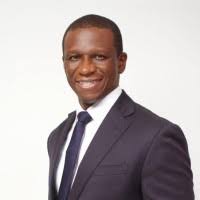
By Gabriel Olumide Odediran,
Long gone are the days when a single salary could maintain a comfortable lifestyle. House rent, transportation, feeding, school fees and “black tax” make the naira stretch a little less every year. There is an urgency of finding a second, third, or fourth income stream. It’s no surprise that a growing number of young Nigerians are turning to financial markets, forex, stocks, cryptocurrency, commodities — in search of the one thing a salary alone rarely delivers: freedom.
Trading, done seriously, offers something few traditional jobs can: leverage over time. A trader’s income isn’t capped by hours worked or a boss’s approval for a raise. Markets don’t care about your university, your surname, or your connections, they respond to discipline, information, and risk management. In a country such as Nigeria where formal employment can feel like a closed door for too many capable people, that kind of meritocracy is genuinely appealing.
There’s also the matter of access. A decade ago, participating in global markets meant navigating expensive brokers, unreliable infrastructure, or being locked out entirely. Today, a smartphone and a data plan are often enough to open a trading account, follow the Nigerian Exchange, or trade major currency pairs against the dollar. This democratisation matters enormously in an economy where capital has traditionally flowed to a narrow elite. For many young Nigerians, trading is the first time they’ve had direct, unmediated access to global finance.
Currency instability adds another layer of relevance unique to our context. With the naira’s value fluctuating and inflation eroding savings, simply holding cash in a bank account is itself a financial risk. Markets particularly assets priced in more stable currencies, offer a hedge that pure saving cannot. Understanding how to trade isn’t just about getting rich; for many, it’s a rational response to protecting the value of what they already have.
It will be dishonest not to mention that trading is not a shortcut, and it is not freedom for everyone who tries it. The same accessibility that lets any Nigerian start trading on the financial markets for example, also exposes them to leverage they don’t yet understand, strategies borrowed from Instagram and YouTube “gurus,” and the very real possibility of losing money they can’t afford to lose. Statistically, most financial markets traders globally, not just in Nigeria, underperform simple long-term investing. The stories of overnight millionaires are far rarer than the untold stories of people who wiped out their savings chasing them.
Financial freedom through trading, where it happens, tends to look less glamorous than social media suggests. It’s built by people who treat trading like a craft: who study price action for years before risking real capital, who size positions conservatively, who accept losses as a cost of doing business rather than a personal failure, and who never mistake a market for a casino. It is a skill, and like any skill, it rewards patience and punishes shortcuts.
For the Nigerian who wants more than a salary can offer, the market genuinely can open a door. But that door leads to years of study and discipline, not a shortcut around them. The freedom, when it comes, is earned the same way freedom always is: slowly, deliberately, and with respect for the risk involved. And of course, after the money is earned, one can invest in revenue-generating businesses.
Gabriel Olumide Odediran is a global financial markets expert