By Elvis Eromosele

Africa is urbanising faster than almost anywhere else on earth. Yet one basic need keeps slipping further out of reach for millions of people: a decent home they can actually afford.
Walk through Lagos, Nairobi, Kigali, Accra, Johannesburg or Cairo and the pattern is the same. Gleaming luxury apartments and gated estates keep rising, while teachers, nurses, artisans, civil servants and young professionals struggle to find somewhere they can live without spending half their income on rent. Informal settlements expand. Home ownership feels like a distant dream for most.
The problem is no longer just about building more houses. It is about building the right kind of homes, affordable, solid, climate-resilient, and the kind of communities that can support the next generation.
The real question is whether Africa has the vision, the creativity and the political will to make it happen.
The answer is yes. But only if governments, developers, banks and communities are willing to rethink how housing is planned, paid for and delivered.
Africa’s population is expected to pass 2.5 billion by 2050, and most of that growth will happen in cities. People are moving for work and opportunity, putting enormous pressure on housing that was already inadequate. Nigeria alone has a deficit running into tens of millions of units. Ghana, Kenya, Uganda and Ethiopia face their own serious shortages. Supply simply cannot keep up.
Part of the reason is pure economics. Developers prefer luxury projects because the returns are quicker and more predictable. Affordable housing is harder. Construction costs are high, financing is limited, infrastructure is often missing, and regulations slow everything down. The result is a market that builds homes most people cannot buy.
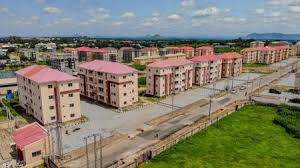
Too often, “affordable housing” is still associated with poor quality, overcrowding and missing services. That thinking has to change. Affordable homes should be safe, durable, energy-efficient and connected to schools, clinics, transport, markets and jobs. The goal is not just to put a roof over people’s heads. It is to create places where people can live with dignity.
Some countries are already showing what is possible. Rwanda, for example, has used deliberate urban planning to create more organised communities with better infrastructure. Africa does not need cheaper versions of bad housing. It needs smarter solutions.
Climate change has made the challenge more urgent. Flooding, extreme heat, coastal erosion and unpredictable rains are already hitting African cities hard. In Nigeria, floods regularly destroy homes and displace families. Coastal communities face rising seas. In parts of northern Africa, heat and desertification are intensifying the pressure. Building without taking these realities into account is simply creating tomorrow’s disasters.
Sustainable design, natural ventilation, solar power, rainwater harvesting, proper drainage, local materials and climate-resilient construction, is no longer an environmental luxury. It is an economic necessity that can also lower household energy bills and maintenance costs over time.
One of the biggest opportunities is right under our feet. Compressed earth blocks, laterite, bamboo, sustainably sourced timber, volcanic stone, stabilised soil and recycled materials can cut costs and reduce dependence on expensive imports. Traditional African architecture already knew a lot of this. Thick walls, wide verandas, courtyards and local materials were designed for local climates. Modern construction often abandoned those lessons in favour of designs that are both costly and poorly suited to African conditions. Sometimes innovation simply means remembering what already worked.
For millions of people, the dream of owning a home dies at the mortgage office. High interest rates, short repayment periods, low formal incomes and strict documentation requirements shut out large numbers of potential buyers, especially informal-sector workers who earn regularly but cannot produce the paperwork conventional banks demand.
Housing finance has to fit African realities. Longer mortgages, rent-to-own schemes, cooperative models, incremental building finance and smarter ways of assessing creditworthiness could open the door for millions more. Africa does not need to copy foreign models wholesale. It needs solutions built around its own economic conditions.
Technology is creating new possibilities too. Prefabrication, modular construction, digital design, drones and artificial intelligence can speed up projects, reduce waste and improve quality. Some companies are already experimenting with 3D-printed homes. Technology alone will not solve the crisis, but paired with the right policies and financing, it can make a real difference.
A house without roads, water, electricity, schools, clinics and transport is incomplete. Too many developments are built far from jobs, forcing people to spend hours and money commuting. Affordable housing should not mean affordable isolation. Governments must plan housing alongside infrastructure so communities grow with the services people need.
No single player can fix this. Governments cannot do it alone. Private developers cannot succeed without supportive policies and basic infrastructure. The answer lies in genuine public-private partnerships — governments providing land, infrastructure, incentives and clearer rules, while private players bring capital, expertise and delivery capacity. Transparency is essential. These programmes must serve real homebuyers, not become vehicles for speculation.
Nigeria’s housing challenge is huge, but so is the opportunity. The country has a young population, entrepreneurial energy, local materials and a growing tech scene. Policies that encourage local production of building materials, simplify land registration, cut approval delays, strengthen mortgage systems and improve urban infrastructure could bring costs down significantly. State governments need to streamline building approvals and remove unnecessary charges that inflate prices. And the private sector has to recognise that the real scale opportunity is not at the luxury end of the market, but among the millions of middle- and lower-income Nigerians looking for decent homes.
Africa is at a crossroads. It can keep building cities of inequality, informal settlements and unaffordable housing. Or it can choose a different path, one rooted in affordability, sustainability, resilience and inclusion.
That choice will shape not only Africa’s skylines, but its productivity, public health, environmental strength and social stability.
Affordable and sustainable housing is possible. It requires political commitment, creative financing, local ingenuity, appropriate technology and long-term thinking.
Africa has the land. It has the materials. It has the people. Increasingly, it has the technology.
What it needs now is the resolve to put them together.
Solving the housing crisis is about more than constructing buildings. It is about laying the foundation for stronger communities, shared prosperity and a more sustainable future.