


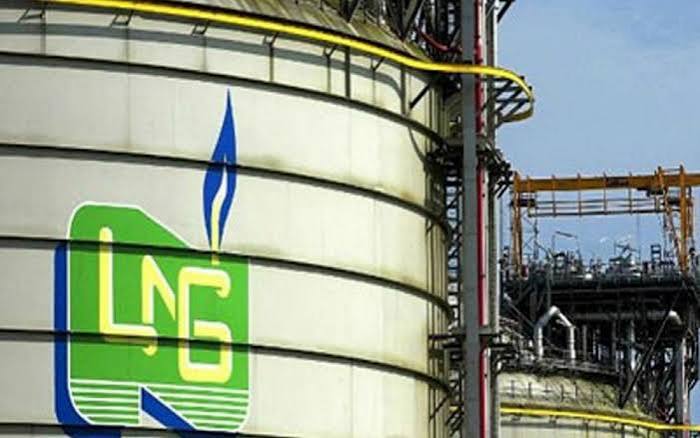
Nigeria LNG Limited (NLNG) has announced that it now dedicates 100% of its liquefied petroleum gas (LPG), commonly known as cooking gas, to the domestic market, ending exports of the product in a move aimed at improving access to cleaner cooking fuel for Nigerians.

The company’s Managing Director and Chief Executive Officer, Adeleye Falade, disclosed this during his maiden media engagement, titled “Presentation of NLNG Facts and Figures 2026.”
Falade revealed that NLNG supplied a record 500,000 tonnes of LPG to the Nigerian market in 2025, the highest annual domestic supply since the company began local distribution in 2005.
The latest figure represents a significant increase from the 70,000 tonnes supplied when the domestic LPG programme was launched more than two decades ago.
According to him, NLNG now accounts for about one-third of Nigeria’s total cooking gas demand, reinforcing its role in expanding access to cleaner household energy. “Last year was the highest volume we have ever supplied in a single year when we supplied 500,000 tonnes of LPG. Today, that’s about 33 per cent of what the country demands,” Falade said.
He explained that the decision to dedicate all LPG production to the Nigerian market was influenced by growing concerns over the health risks associated with the use of firewood, charcoal and other biomass fuels for cooking.
The company reviewed reports highlighting the impact of traditional cooking methods on thousands of Nigerian women, prompting it to prioritise domestic LPG availability over exports.
Providing an overview of NLNG’s operations, Falade said the company has generated more than $150 billion in cumulative revenue since it commenced operations 37 years ago.
Over the same period, NLNG has exported more than 6,000 liquefied natural gas (LNG) cargoes to customers across Europe, Asia, the Middle East and other international markets.
He added that the company has paid over $47.2 billion in dividends to shareholders, remitted more than $10 billion in taxes to the Federal Government, and built an asset base valued at approximately $23 billion, making it one of Nigeria’s largest corporate contributors to government revenue.
Falade said NLNG is pressing ahead with its long-term expansion strategy, which includes the completion of Train 7 and early-stage discussions on the development of Trains 8, 9 and 10.
The expansion is expected to strengthen Nigeria’s position in the global LNG market while supporting the country’s ambition to monetise its vast natural gas reserves.
Clarifying a common misconception, Falade noted that NLNG does not produce natural gas. Instead, the company purchases gas from upstream producers before processing, liquefying, transporting and marketing it to customers worldwide. “We don’t produce the gas. We buy gas, just like power companies buy gas. We process it, liquefy it, transport it and sell it across the world,” he said.
NLNG currently operates six liquefaction trains with a combined production capacity of 22 million tonnes per annum (mtpa). Its Bonny Island facility is regarded as the largest industrial complex in Sub-Saharan Africa.
The company also operates a fleet of 22 vessels, comprising 20 LNG carriers, one vessel dedicated to supplying cooking gas to the domestic market, and another vessel supporting operational activities.
By prioritising domestic LPG supply while expanding its export capacity through new liquefaction trains, NLNG aims to strengthen Nigeria’s energy security, improve access to cleaner cooking fuel and increase the country’s earnings from natural gas exports.
