


Celebrity influencers are earning up to £1 million to promote deodorant brands on Instagram, underscoring the growing power and price tag of social media marketing.

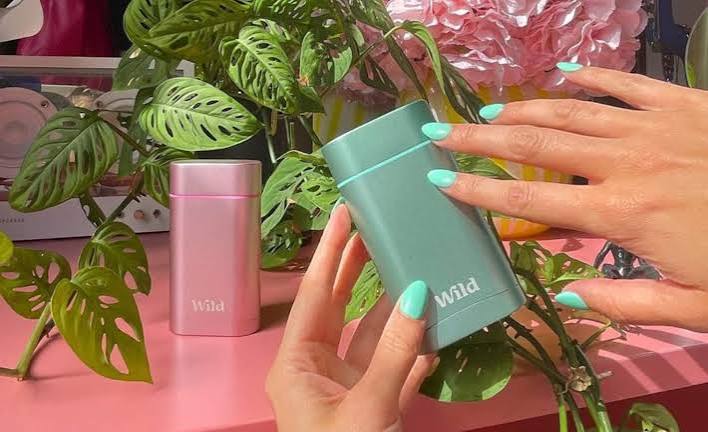
Wild, the refillable natural deodorant brand acquired by Unilever last year, says influencer partnerships have been central to its rapid growth, with annual spending on social media personalities approaching £10 million.
The company works with high-profile celebrities including Emma Raducanu, Stacey Solomon and Molly-Mae Hague, paying hundreds of thousands of pounds,and in some cases more than £1 million, for long-term brand ambassador deals.
Wild co-founder Charlie Bowes-Lyon described influencer marketing as the company’s “secret sauce.”
Bowes-Lyon revealed that Wild has spent millions of pounds on its partnership with British tennis star Emma Raducanu, while campaigns featuring Stacey Solomon and Molly-Mae Hague have each cost hundreds of thousands of pounds.
He said influencer campaigns can cost anywhere from £100,000 to several million pounds, depending on the celebrity involved and the scope of the partnership.
“If you want a one-off post, you wouldn’t pay too much,” he said. “But what both the brand and the influencer usually want is a longer-term relationship.”
Raducanu’s partnership has included promotional videos, photoshoots in New York, Instagram content and the launch of her own signature deodorant fragrance.
Marketing experts say brands are increasingly choosing influencers over traditional advertising because they have built loyal communities that trust their recommendations.
Hannah Campbell, founder of influencer marketing agency One Twelve Agency, said younger consumers are spending less time engaging with conventional advertising and more time following content creators.
“People buy from people,” she said. “Influencers have built audiences that trust them.”
Reflecting the importance of social media marketing, Wild now employs a team of more than 20 staff dedicated solely to influencer campaigns, with plans to increase its marketing budget significantly next year.
Despite the huge sums involved, Bowes-Lyon insisted successful campaigns depend on authenticity rather than celebrity status alone.
He said audiences quickly recognise promotions that feel forced or unrelated to an influencer’s usual content.
“If a gaming influencer suddenly starts promoting a flower shop, people will see through it,” he said.
He added that Molly-Mae Hague had already featured Wild’s body wash in one of her videos before the company approached her for a commercial partnership.
Marketing experts say consumers are becoming more aware that influencer endorsements are paid promotions, but argue that disclosure still needs improvement.
Research by the UK’s Advertising Standards Authority found that only 54% of people could confidently identify influencer posts as advertisements, compared with 74% for traditional brand adverts.
Katy Howell, director of Rethink Social, said labels such as #ad meet legal requirements but do not always provide enough context about commercial relationships.
She noted that many leading influencers now operate like full-scale media businesses, supported by managers, agents, production teams and legal advisers, with multiple revenue streams beyond social media posts.
According to Wild, influencer campaigns can produce immediate commercial results.
A promotion by Molly-Mae Hague, which included a personalised discount code shared with her followers, generated a sharp spike in sales while the Instagram Story remained live.
However, Bowes-Lyon said the company increasingly prefers long-term collaborations that allow influencers to build genuine connections with products rather than relying on one-off sponsored posts.
He believes that lasting partnerships are more credible with audiences and ultimately deliver stronger results for brands.

