


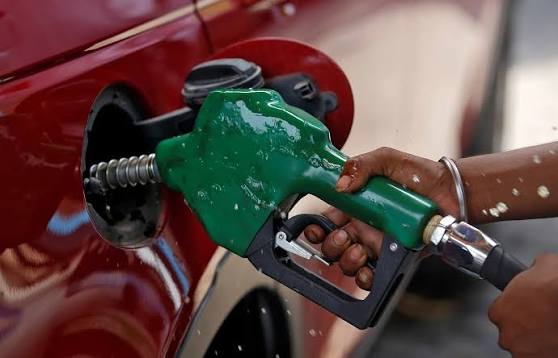
India’s nationwide rollout of petrol blended with 20% ethanol (E20) is facing growing resistance from motorists, many of whom say the fuel is reducing vehicle performance and increasing maintenance costs, despite government assurances that it is safe.

The policy, introduced in April, made E20 the standard petrol available at fuel stations across the country, replacing the previous E10 blend. The move is part of India’s strategy to cut dependence on imported crude oil, reduce carbon emissions and support domestic ethanol production from crops such as sugarcane and maize.
However, the transition has triggered widespread criticism, particularly from owners of older vehicles that were not designed to run on higher ethanol blends.
Social media has been flooded with complaints from drivers reporting lower fuel efficiency, engine wear and declining vehicle performance since switching to E20.
The discontent spilled onto the streets last week when motorists staged a protest in New Delhi, accusing the government of imposing the fuel without giving consumers adequate choice or ensuring that most vehicles were compatible.
Many consumers also say they were unaware that conventional petrol remains available, albeit at prices that are 40-50% higher than E20 in some states.
Prime Minister Narendra Modi’s administration has rejected the complaints, describing them as misinformation spread on social media.
Officials insist the fuel was introduced only after extensive testing and say there is no evidence that E20 damages vehicle engines. The government has also launched information campaigns to counter what it calls myths surrounding the new fuel.
In a rare joint appearance over the weekend, six automobile manufacturers backed the government’s position, saying years of testing and vehicle servicing had found no widespread evidence of engine damage linked to E20.
Rahul Bharti, Senior Executive Officer for Corporate Affairs at Maruti Suzuki, said the company had serviced more than 15 million older, non-E20-compliant vehicles without identifying fuel-related faults caused by the ethanol blend.
While dismissing claims of engine damage, automakers admitted that E20 reduces fuel efficiency because ethanol contains less energy than conventional petrol.
Industry representatives estimate mileage falls by about 3 per cent to 3.5 per cent, although some independent studies suggest the reduction could range between 4 per centand 12 per cent.
For many motorists, that translates into more frequent refuelling without any reduction in fuel prices.
“They’re paying the same price per litre but travelling fewer kilometres,” said Basil Jacob, who operates a vehicle servicing centre.
Some mechanics say they have already observed issues in older vehicles.
Mohammed Arif, a motorcycle mechanic, said he has repaired several bikes with carburettor deposits that he believes are linked to higher ethanol content, resulting in more frequent servicing.
Automotive experts say any adverse effects are more likely to emerge gradually.
Hormazd Sorabjee, Editor of Autocar India, said prolonged use of E20 could accelerate corrosion in fuel delivery systems after 10,000 to 20,000 kilometres, particularly because ethanol absorbs moisture. He added, however, that proper maintenance could significantly reduce the risks and warned that some concerns circulating online have been exaggerated.
Critics argue that India’s transition has been too rapid.
The country moved from E10 in 2022 to mandatory E20 by 2025, five years ahead of its original target.
According to Puneet Gupta, Director at Mobility Global, more than 75% of vehicles currently on Indian roads are not E20 compliant. A Thomson Reuters Foundation analysis reached a similar conclusion, estimating that only about one in five petrol vehicles sold over the past 15 years is fully compatible with E20.
Unlike Brazil, which gradually introduced ethanol-compatible vehicles over four decades before mandating higher blends, India compressed the transition into just three years.
The controversy has also raised questions about vehicle warranties and insurance coverage.
Experts say it remains unclear whether manufacturers would honour warranty claims if fuel system components fail after prolonged use of E20 in vehicles not designed for the blend.
Confusion intensified after insurer ICICI Lombard initially suggested that using E20 in incompatible vehicles could amount to negligence and affect insurance claims. The company later clarified that motor insurance policies remain valid for vehicles using E20.
Even so, industry experts note that motor insurance generally covers accidental damage rather than wear and tear caused by fuel.
